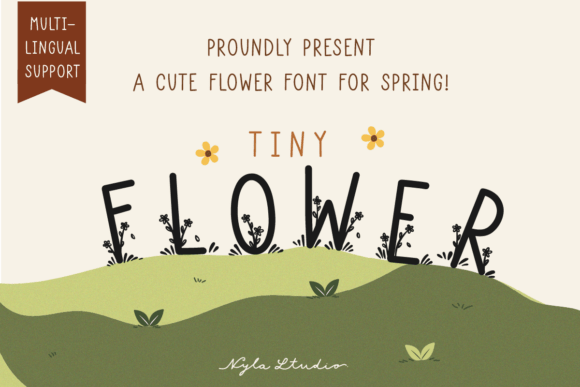
Tiny Flowers: A Playful Font for Your Spring Projects
There’s a specific challenge that comes with projects meant to evoke joy, warmth, or a sense of whimsy. You can have the perfect color palette and the right imagery, but if your typography feels sterile or overly corporate, it can throw off the entire mood. This is where specialized display fonts come into play. Tiny Flowers isn't just another typeface; it is a decorative solution designed specifically to bridge the gap between professional design and heartfelt charm.
As a creative tool, this font serves a very specific niche. It falls into the category of premium font assets that are built for headlines and focal points rather than body copy. The visual language of Tiny Flowers is rooted in the organic shapes of nature, transforming standard letterforms into something that feels alive and textured. For designers, marketers, and hobbyists alike, understanding how to deploy a typeface like this can be the difference between a project that looks "fine" and one that truly connects with the audience.
The Visual Character of a Decorative Typeface
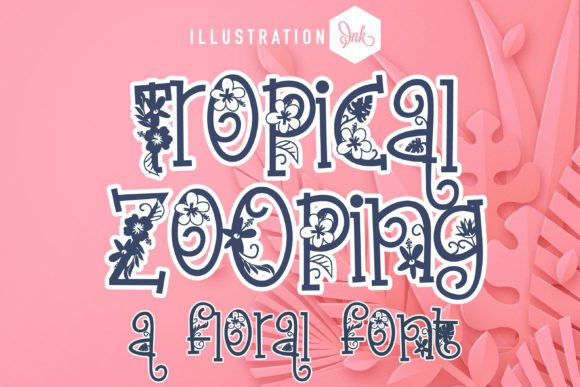
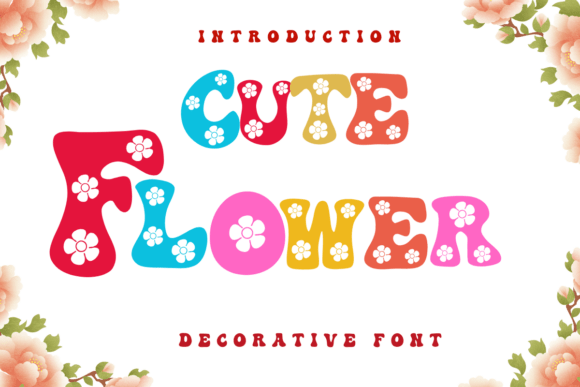
When we talk about the personality of Tiny Flowers, we are looking at a display font that prioritizes aesthetic impact over minimalism. Unlike a neutral sans serif font that fades into the background, or a traditional serif font that demands authority, this typeface demands attention through its intricate detailing. The defining characteristic is, naturally, the floral integration. The strokes of the letters are adorned with botanical elements, giving the text a textured, illustrative quality.
This style sits somewhere between a handwritten font and a structured illustration. It captures the spontaneity of a script font but maintains the legibility required for packaging and merchandise. The "cute" factor comes from the softness of the curves and the playful arrangement of the floral details. It doesn't take itself too seriously, making it an ideal candidate for projects targeting a demographic that appreciates warmth and approachability.
However, it is important to treat Tiny Flowers as a creative font asset with specific strengths. Because of its detailed nature, it functions best at larger scales. Think of it as the centerpiece of your layout. In modern typography, we often see a mix of loud and quiet elements. Tiny Flowers is definitely the "loud" element, designed to set the tone immediately upon first glance.
Strategic Applications: Where to Use Tiny Flowers
The utility of a font like Tiny Flowers spans across various mediums, but it shines brightest in specific contexts. For small business owners and entrepreneurs, this typeface offers a way to humanize a brand without sacrificing professionalism.
Seasonal Marketing and Event Design
The most immediate application is in seasonal campaigns. Spring and summer collections, Easter promotions, and garden-themed events are perfect fits. The floral motifs inherent in the font align perfectly with these themes, reducing the need for additional clipart or complex illustrations. You can use Tiny Flowers for:
- Invitation cards: Whether for a wedding, a baby shower, or a garden party, the font sets a welcoming atmosphere instantly.
- Greeting cards: It provides the emotional weight needed for sentimental messages without looking overly formal.
- Event posters: For local markets, craft fairs, or community gatherings, the font grabs attention while signaling a friendly, approachable vibe.
Product Packaging and Merchandise
In the world of packaging design, shelf appeal is everything. If you are selling artisanal goods, candles, cosmetics, or stationery, Tiny Flowers can elevate your brand identity. It works exceptionally well on labels where you want to communicate "handmade" or "natural" qualities.
For merchandise like t-shirts, tote bags, and mugs, this font functions as a standalone design element. It is often used for playful quotes or standalone typography art. Because it is a commercial font, you can confidently use it on products intended for sale, ensuring your branding remains consistent and legally sound.
Digital Presence and Social Media
In the realm of web design and social media graphics, standing out in a crowded feed is difficult. Tiny Flowers is excellent for creating eye-catching headers, blog post titles, and Instagram graphics. It adds a layer of personality to digital content that standard web fonts often lack. However, it should be used sparingly in digital spaces—primarily for H1s or call-to-action buttons—to ensure fast load times and maintain readability.
Typography Strategy: Pairing and Hierarchy
One of the most common mistakes in design is using a decorative font for everything. Tiny Flowers is a powerful tool, but it requires a strong partner to function effectively in a layout. This is where font pairing becomes critical.
Because Tiny Flowers is ornate and carries a lot of visual weight, it pairs best with clean, simple typefaces. A geometric sans serif font is often the best companion. The contrast between the organic, floral details of the header font and the clean lines of the body text creates a balanced visual hierarchy.
For example, if you are designing a brochure, you might use Tiny Flowers for the main headline to draw the eye in. Then, use a legible sans serif for the sub-headers and body copy to convey the actual information. This ensures that the design feels professional rather than chaotic. Avoid pairing it with another script font or a highly decorative serif, as this will create visual clutter and confuse the reader.
Practical Considerations for Designers and Creators
Before integrating Tiny Flowers into your workflow, there are a few technical and aesthetic checkpoints to consider. These considerations apply whether you are a seasoned graphic designer or a hobbyist using Canva.
Readability and Legibility
As a display font, legibility at small sizes is not its primary function. Highly detailed fonts can become muddy or illegible when scaled down to 10pt or 12pt. Always test the font at the size it will be viewed. If you are printing a mug, print a test sheet at 100% scale. If it’s for a website banner, view it on both mobile and desktop screens. The goal is to appreciate the details of the flowers, not to struggle to decipher the letters.
Evaluating Project Fit
Not every project calls for a floral aesthetic. Using Tiny Flowers for a corporate finance report or a serious legal document would be inappropriate. Evaluate the tone of your project. Does it need to feel warm, organic, playful, or seasonal? If the answer is yes, this font is a strong contender. If the project requires authority, stability, or ultra-modern minimalism, you are better off sticking to a classic serif or sans serif.
Commercial Licensing
Since Tiny Flowers is a premium font, it typically comes with a specific license. If you are a small business owner or content creator selling products, you need to ensure you have the appropriate commercial license. This allows you to legally sell items featuring the font, such as the t-shirts, stickers, and logos mentioned earlier. Always review the End User License Agreement (EULA) to understand the scope of use.
Building a Brand Identity with Tiny Flowers
For entrepreneurs building a brand from the ground up, typography is a cornerstone of brand identity. Choosing Tiny Flowers as part of your core typography kit sends a specific message to your audience. It suggests that your brand values creativity, nature, and a personal touch.
Consider a boutique stationery brand. Using Tiny Flowers for the logo design and primary marketing materials creates an immediate association with the product. It tells the customer, "We care about aesthetics and details." This consistency across your design assets—from your website to your thank-you cards—builds recognition and trust.
Furthermore, in editorial design, such as magazines or blogs focused on lifestyle, gardening, or DIY crafts, this font can serve as a recurring visual motif. It can be used to highlight pull quotes or section headers, adding a touch of charm that breaks up the monotony of standard text layouts.
Conclusion
Tiny Flowers is more than just a collection of glyphs; it is a versatile creative font that brings a distinct personality to any project it touches. From seasonal marketing campaigns to product packaging and digital social media graphics, its applications are vast. By understanding its strengths—its ability to convey warmth, whimsy, and approachability—and pairing it thoughtfully with more neutral typefaces, you can leverage this font to create designs that are not only beautiful but also effective. For designers and creators looking to inject a bit of springtime joy into their work, Tiny Flowers is a reliable and charming addition to the toolkit.